

Good Morning!
Welcome to this edition of Grinfi Political Risk Edge, your trusted source for expert political risk analysis and strategic intelligence. Thorough, insightful, and industry-focused. We deliver clarity in uncertainty and strength in decision-making. Anticipate, Adapt, and Excel!
But first, let’s begin the week with a laugh 😄 to brighten the mood. Remember, a little humor never hurts before moving on to the serious stuff.
From Grinfi Political Risk Observatory (GPRO), here’s what we’re monitoring:
High Impact Situational Updates
“At Grinfi, we track immediate fragility and systemic contagion to ensure leaders see risks before they spread.”
EXECUTIVE SUMMARY
Here are the key issues that are expected to shape political risk this week.
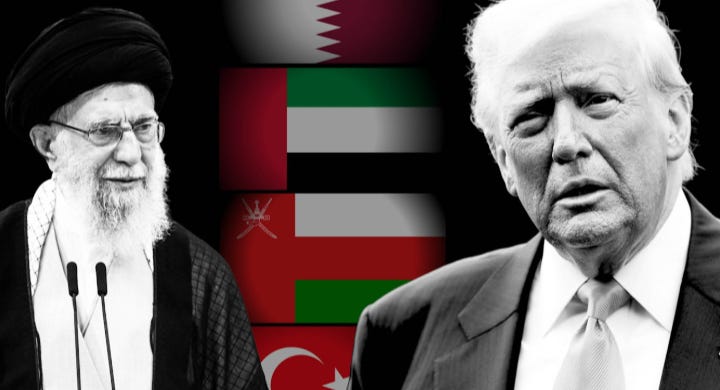
Tensions between the United States and Iran have sharply escalated following the arrival of US naval armada (the USS Abraham Lincoln) in the Persian Gulf.
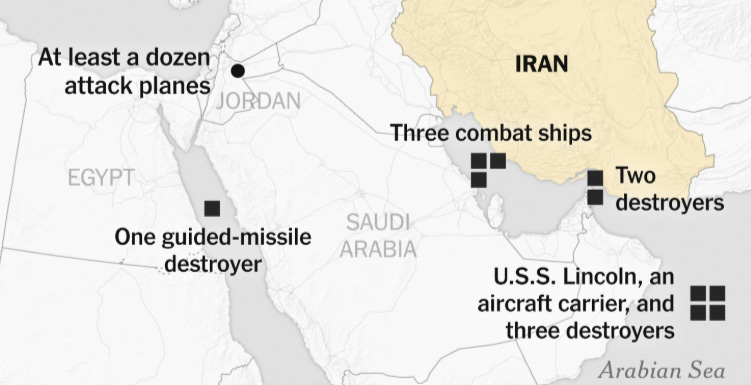
Tehran has invoked emergency powers and warned of "full-blown regional war" should US forces initiate strikes. Russia, however, has intervened and offered to mediate talks between the US and Iran. Oil prices rose by 3%, a five-month high, over concerns of possible escalation impacting the Strait of Hormuz.
Meanwhile, the EU has designated the Iranian Revolutionary Guard Corps as a terrorist organization. Iran, in a tit-for-tat response, designated all EU armies as terrorist groups.
At the United Nations, Secretary-General António Guterres is warning that the organization faces an imminent fiscal collapse due to unpaid member contributions.
UN officials estimate the organization could run out of cash by July 2026 if current trends continue. More than $1.57 billion in assessed contributions remain unpaid at the end of 2025, more than double the prior year, threatening peacekeeping, humanitarian, and administrative operations.
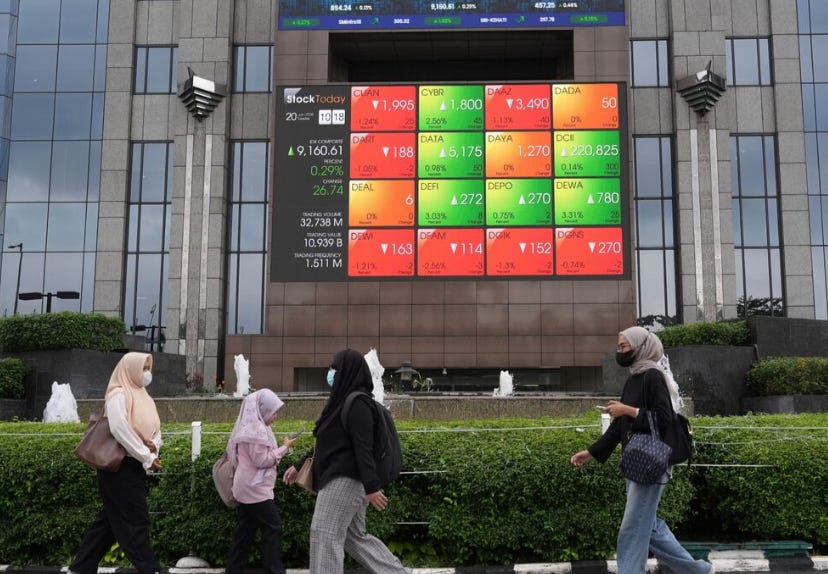
At the same time, Indonesia faces a market confidence crisis after MSCI warned last week that the country could be downgraded from emerging-market to frontier-market status. Indonesia has been given until May to demonstrate progress.
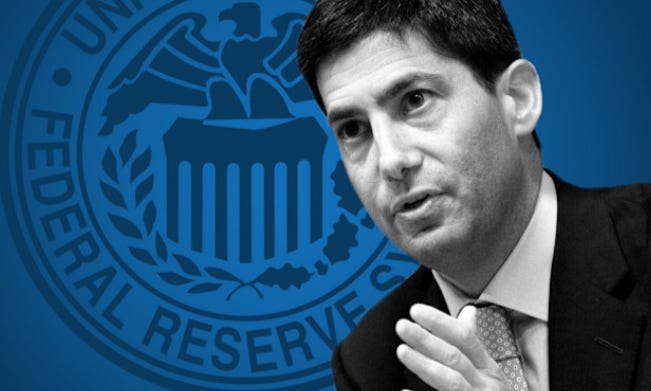
In the United States, President Trump has nominated ‘inflation hawk’ Kevin Warsh to succeed Jerome Powell as Federal Reserve chair. North Carolina Senator Thom Tillis said he will block the nomination until the DOJ investigation into Powell is resolved. Without Tillis, Warsh likely cannot win confirmation. Gold prices fell 5% and silver crashed 10% as markets reacted to the nomination.
Investors view Warsh as a stabilizing choice, which reduced the immediate need for inflation hedges. At the same time, institutional risk remains focused on the US government shutdown and the release of new Epstein documents involving high-profile financial