

Good Morning!
Welcome to this edition of Grinfi Political Risk Edge, your trusted source for expert political risk analysis and strategic intelligence. Thorough, insightful, and industry-focused. We deliver clarity in uncertainty and strength in decision-making. Anticipate, Adapt, and Excel!
But first, let’s begin the week with a laugh 😄 to brighten the mood. Remember, a little humor never hurts before moving on to the serious stuff.
From Grinfi Political Risk Observatory (GPRO), here’s what we’re monitoring:
High Impact Situational Updates
“At Grinfi, we track immediate fragility and systemic contagion to ensure leaders see risks before they spread.”
EXECUTIVE SUMMARY
Here are the key issues that are expected to shape political risk this week.
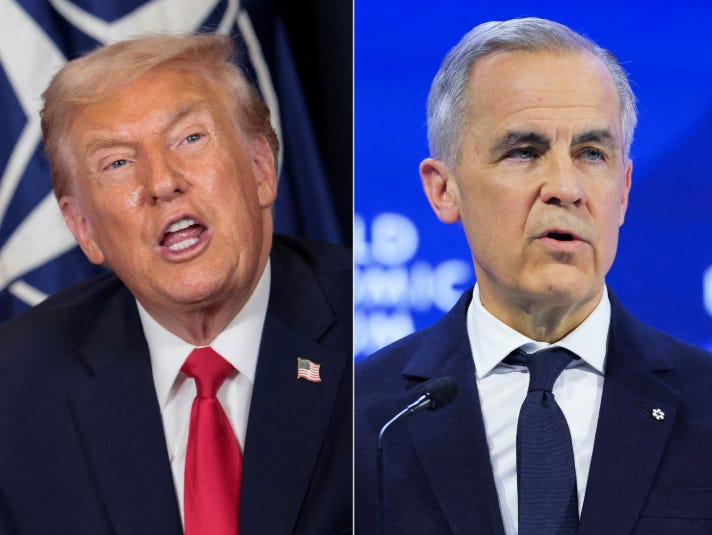
The question of whether globalization is in retreat has circulated for years. After last week’s events, the debate pivoted to whether Davos marked the moment and place where it was finally buried. In Davos last week, two competing visions for global governance emerged. One vision, projected by US President Donald Trump, emphasized nationalism and the dismantling of the US-led rule-based global order. The other focused on the vulnerability of middle powers and the importance of cooperation among them, a theme advanced by Canadian Prime Minister Mark Carney.
At the same time, the United States released its National Defense Strategy 2026. The government has downgraded China from a threat to a challenge, labelling Beijing as a ‘force to be deterred rather than contained’. It reaffirmed the Donroe Doctrine (Trump’s corollary of the Monroe Doctrine) and placed defense of the U.S. homeland as the top national security priority.
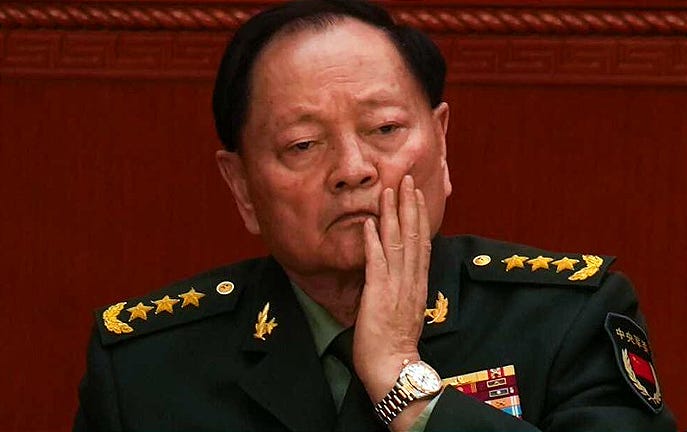
In China, President Xi Jinping intensified a purge of senior military leadership, ordering an investigation into Central Military Commission Vice Chairman Zhang Youxia. Chinese officials linked the action to concerns over leaks of sensitive security information to hostile forces, as well as political disloyalty, corruption, and toxic influences.
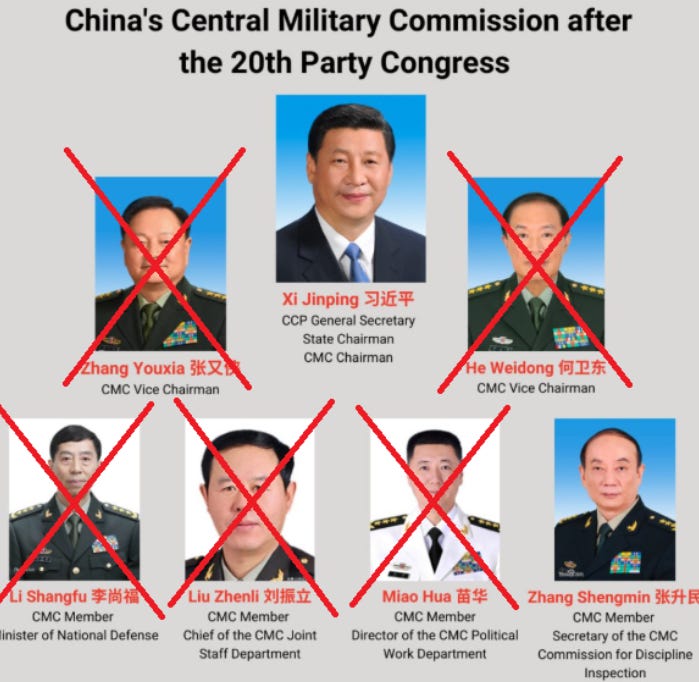
This caps a long-running scheme that has emptied the Central Military Commission, leaving only President Xi Jinping and Zhang Shengmin, head of the CMC’s anti-corruption body, as active members. For the most part, the focus has been on consolidating control and tightening oversight of military finances. However, the expunging of senior combat-experienced commanders has disrupted command continuity, dishevelled the CMC, and may delay major military actions in the near term.
In the Gulf, Saudi Arabia has publicly characterized the actions of the United Arab Emirates as a ‘direct security threat’ following prolonged proxy conflicts in Yemen, Sudan, and the Horn of Africa, including UAE’s support for non-state actors that Riyadh says undermines its interests and national security.
In France, Prime Minister Sébastien Lecornu has used Article 49.3 of the constitution to pass the controversial revenue section of the 2026 budget without a parliamentary vote. He survived two no-confidence motions in the process, thanks to a compromise he reached with the Socialists and the reluctance within the Republican party to bring down another government.
Lecornu is expected to take the same approach to pass the expenditure section later