

Good Morning!
Welcome to this week’s edition of Grinfi Political Risk Edge, your trusted source for expert political risk analysis and strategic intelligence. Thorough, insightful, and industry-focused. We deliver clarity in uncertainty and strength in decision-making. Anticipate, Adapt, and Excel!
Now, on a lighter note, let’s start the week with a laugh 😄 to brighten the mood. Remember, a little humor never hurts before moving on to the serious stuff.
From Grinfi Political Risk Observatory (GPRO), here’s what we’re monitoring:
High Impact Situational Updates
“At Grinfi, we track immediate fragility and systemic contagion to ensure leaders see risks before they spread.”
EXECUTIVE SUMMARY
Here are the key issues that are expected to shape political risk this week.
The Trump administration has introduced major immigration policy changes that, together, would significantly affect foreign workers, corporate hiring and compliance, and banking procedures. On May 19, Trump signed an executive order directing Treasury and federal banking regulators to treat immigration status as a financial risk factor and issue guidance within 60 days.
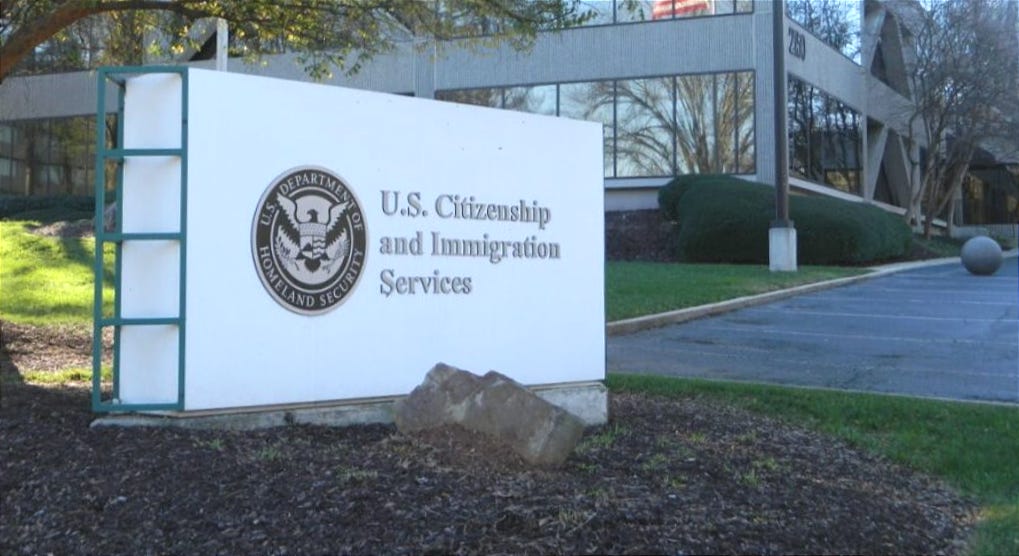
On May 20, the DOJ swore in 82 new immigration judges, many viewed as strongly aligned with the administration’s deportation agenda, marking the largest class in the agency’s history. The administration has also dismissed more than 100 judges since January 2025, in many cases without public explanation, raising concerns about increasing politicization within the immigration court system. At the same time, the addition of new judges comes as the immigration court backlog exceeds 3.7 million cases. On May 21, USCIS issued policy memo PM-602-0199, reframing adjustment of status for green cards as ‘extraordinary discretionary relief’ rather than a standard pathway, increasing the likelihood that many visa holders will need to complete the process abroad through consular processing.
However, it is important to clarify that the policy does not remove or repeal adjustment of status under Section 245 of the Immigration and Nationality Act.
Rather, it raises the threshold for approval by requiring applicants to demonstrate “unusual or outstanding equities” to justify completing the process while remaining in the United States (i.e. demonstrating deservingness of an ‘administrative grace’). As a result, most applicants would undoubtedly face higher scrutiny, with denials expected to increase, particularly for non-dual intent visa holders such as