

Good Morning!
Welcome to this week’s edition of Grinfi Political Risk Edge, your trusted source for expert political risk analysis and strategic intelligence. Thorough, insightful, and industry-focused. We deliver clarity in uncertainty and strength in decision-making. Anticipate, Adapt, and Excel!
Now, on a lighter note, let’s start the week with a laugh 😄 to brighten the mood. Remember, a little humor never hurts before moving on to the serious stuff.
From Grinfi Political Risk Observatory (GPRO), here’s what we’re monitoring:
High Impact Situational Updates
“At Grinfi, we track immediate fragility and systemic contagion to ensure leaders see risks before they spread.”
EXECUTIVE SUMMARY
Here are the key issues that are expected to shape political risk this week.
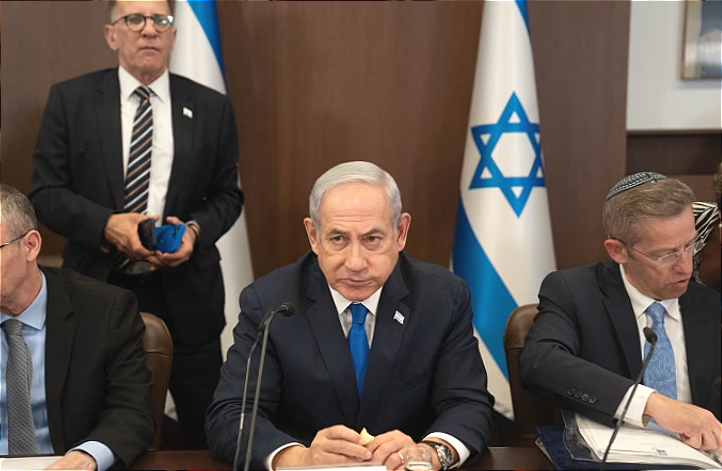
For the first time in Israel’s 78-year history, its government has told the Supreme Court, in writing, that it will not obey a ruling. The cabinet voted unanimously yesterday, July 5, to disregard a High Court order. Legal scholars, opposition leaders and even some of Netanyahu’s former military chiefs are now calling it a genuine and unprecedented constitutional crisis. It comes roughly ten (10) weeks before Israelis are expected to vote, and it raises a question the country has never had to answer before.
That question, precisely, is what happens when the executive branch refuses to accept that the judiciary has the final word? But how, and why, did the situation reach this point?
A broadcast regulator and an “unlawful” ruling
Israel’s Second Authority for Television and Radio, which regulates commercial broadcasters was due to weigh in on the sale of Channel 13, one of the country’s major networks. Enough of its members resigned that it fell below the two-thirds quorum the law requires to operate. Communications Minister Shlomo Karhi and Justice Minister Yariv Levin argued the council was therefore defunct. On June 17, the High Court disagreed, ruling that the resignations had been engineered by the government’s own “deliberate obstruction,” and ordered the council to keep functioning until the underlying petitions are resolved.
The cabinet responded on Sunday by voting to treat every decision, appointment or approval made by the council as null and void. Levin called it a defense of legality rather than a challenge to it, arguing that the rule of law binds every branch of government, including judges, and that a court cannot claim authority the Knesset never granted it. Karhi was blunter, calling the council’s rulings worthless and accusing the justices of overreach.
Opposition leaders see it differently. Yesh Atid leader Yair Lapid said a government